
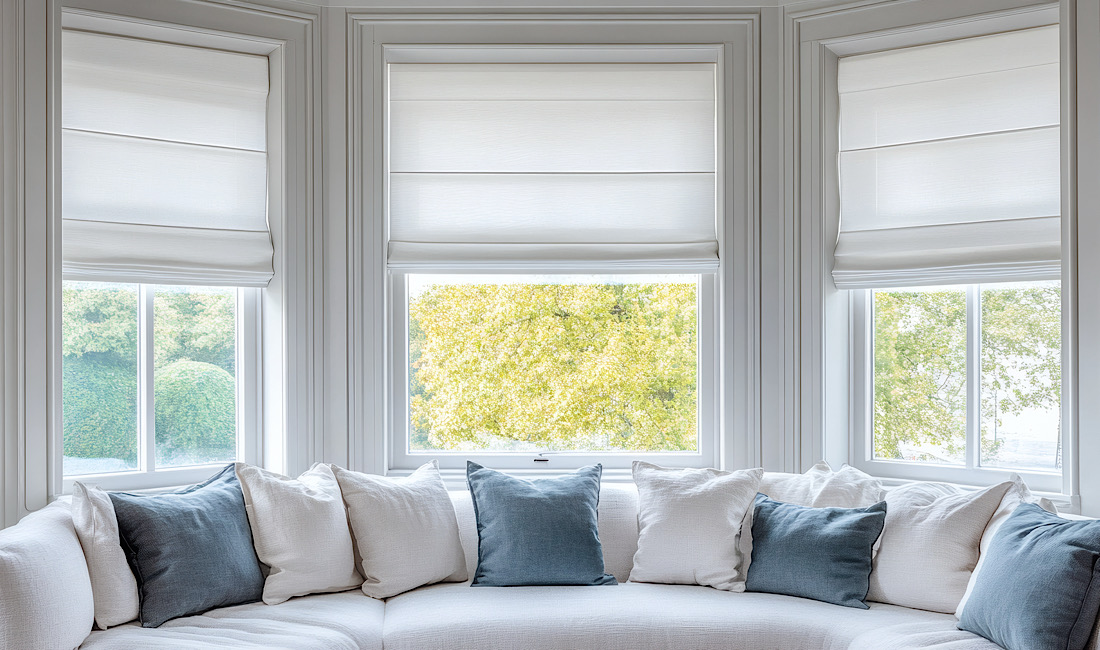
Blinds are a common choice for homeowners looking to control light and privacy. They’re practical, affordable, and come in styles that suit nearly any décor. But when it comes to protecting your home from the harmful effects of the sun and improving energy efficiency, blinds alone don’t go far enough.
The reality is that blinds can block light, but they cannot block ultraviolet (UV) rays or significantly reduce solar heat gain. That’s where residential window film steps in. By adding this subtle yet powerful layer of protection, you can transform your home’s comfort, reduce energy costs, and shield your interiors from damage.
Why Blinds Alone Aren’t Enough
At first glance, blinds seem like an adequate solution. You can adjust them to filter sunlight or close them completely to darken a room. However, even when fully closed, they allow UV rays and heat to enter through the glass.
- UV penetration: Blinds do not filter UV radiation, which is the leading cause of fading in floors, fabrics, artwork, and furniture.
- Heat buildup: Sunlight still heats the glass, and that trapped heat radiates indoors, driving up cooling costs.
- Inefficient insulation: Blinds don’t address temperature transfer, so homes can still feel uncomfortably hot in summer and lose warmth in winter.
This is why many homeowners notice their rooms becoming stuffy even with blinds drawn, and why their cooling bills continue to climb during warmer months.
The Role of Residential Window Film
Window film works at the source—your glass. Professionally installed films are engineered to reduce heat and UV rays before they ever enter your living space. The result is a home that stays cooler, more comfortable, and better protected.
Key Benefits Over Blinds
- UV Protection for Windows
Window film blocks up to 99% of harmful UV rays, dramatically reducing the fading and deterioration of interiors. Blinds simply cannot match this level of defense. - Energy-Saving Tint
By minimizing solar heat gain, residential window film reduces the strain on your air conditioning system. This not only lowers energy bills but also helps maintain consistent indoor comfort. - Glare Reduction Without Darkness
Blinds often force homeowners to choose between blocking glare or enjoying natural light. Window film allows daylight in while reducing glare, creating a bright but comfortable living space. - Year-Round Comfort
Films provide insulation benefits, keeping warmth inside during colder months and deflecting heat during summer. This dual function makes them a smart upgrade no matter where you live.
Blinds vs. Window Film: A Comparison
Here’s how blinds and window film stack up against each other — and why many homeowners choose to combine them for complete protection.
| Feature | Blinds Only | Window Film Only | Blinds + Window Film (Best Combo) |
| UV Protection | Minimal | Up to 99% | Excellent |
| Heat Reduction | Limited | Significant | Superior |
| Glare Control | Moderate | Strong | Strong + Adjustable |
| Energy Savings | Minimal | Noticeable | Maximum |
| Preserves Interior Finishes | Weak | Strong | Strongest |
| Aesthetics | Visible window covering | Nearly invisible | Stylish + discreet protection |
As the table shows, blinds alone simply cannot provide the same benefits as window film. Pairing the two offers the best solution for style, protection, and performance.
Long-Term Benefits for Homeowners
Think about your home ten years from now. Without protection, you may notice bleached flooring, faded upholstery, and artwork that has lost its vibrancy. Energy bills may also rise steadily as your HVAC system works harder against solar heat gain.
With residential window film, these challenges are largely avoided. By investing in a long-lasting solution today, you protect your home’s interiors, reduce operating costs, and improve everyday comfort.
Making the Smart Investment
Unlike replacing windows or installing heavy treatments, window film is cost-effective, non-invasive, and quick to install. It provides measurable benefits almost immediately, and because it is nearly invisible, it won’t alter the appearance of your home.
At Meridian Window Tint, we help homeowners discover the advantages of professional-grade films tailored to their needs. Whether your goal is UV protection, energy savings, or improved comfort, our team delivers solutions that complement the choices you’ve already made—like blinds—without compromise.
Ready to Upgrade Beyond Blinds?
Blinds are a great starting point, but they’re not the finish line for window protection. Adding residential window film gives your home the advantage of energy efficiency, UV defense, and comfort that blinds alone cannot provide.
If you’re ready to enjoy cooler summers, brighter yet comfortable interiors, and peace of mind knowing your furnishings are shielded, Meridian Window Tint is here to help. Our specialists can walk you through the options, recommend the right film for your home, and provide professional installation that ensures lasting performance.
Take the next step today. Explore how window film can transform your home by visiting Meridian Window Tint or connecting with our team at (208) 258-7260.
Frequently Asked Questions
Do I need to remove my blinds before installing window film?
No. Window film is applied directly to the glass and works alongside your existing blinds or shades.
Will window film make my home too dark?
Not at all. Quality films let natural light in while reducing glare and harmful UV rays.
Can window film help in the winter?
Yes. It helps insulate your home by retaining heat, making it useful for year-round energy efficiency.
Is residential window film expensive?
Compared to replacing windows or investing in heavier treatments, window film is a cost-effective solution with long-term benefits in energy savings and preservation.
How long does residential window film last?
With professional installation, high-quality films can last 10–15 years or more, maintaining clarity and effectiveness with minimal maintenance.