A clean, modern “glass upgrade” that still feels bright in winter
If you work from home in Boise or Meridian, you’ve probably felt the tension between privacy and natural light—especially when winter days are shorter and you don’t want to darken the room. Decorative window film is a design-forward way to soften sightlines on interior doors, sidelights, partitions, and bathroom windows while keeping spaces airy. This guide breaks down popular decorative window film designs, where each style works best, and how to choose something that looks intentional (not temporary).
Local note: In Boise-area homes, decorative film is especially popular for home office doors and interior glass that faces open living areas—because it adds privacy without turning your workspace into a cave.
What decorative window film does (and what it doesn’t)
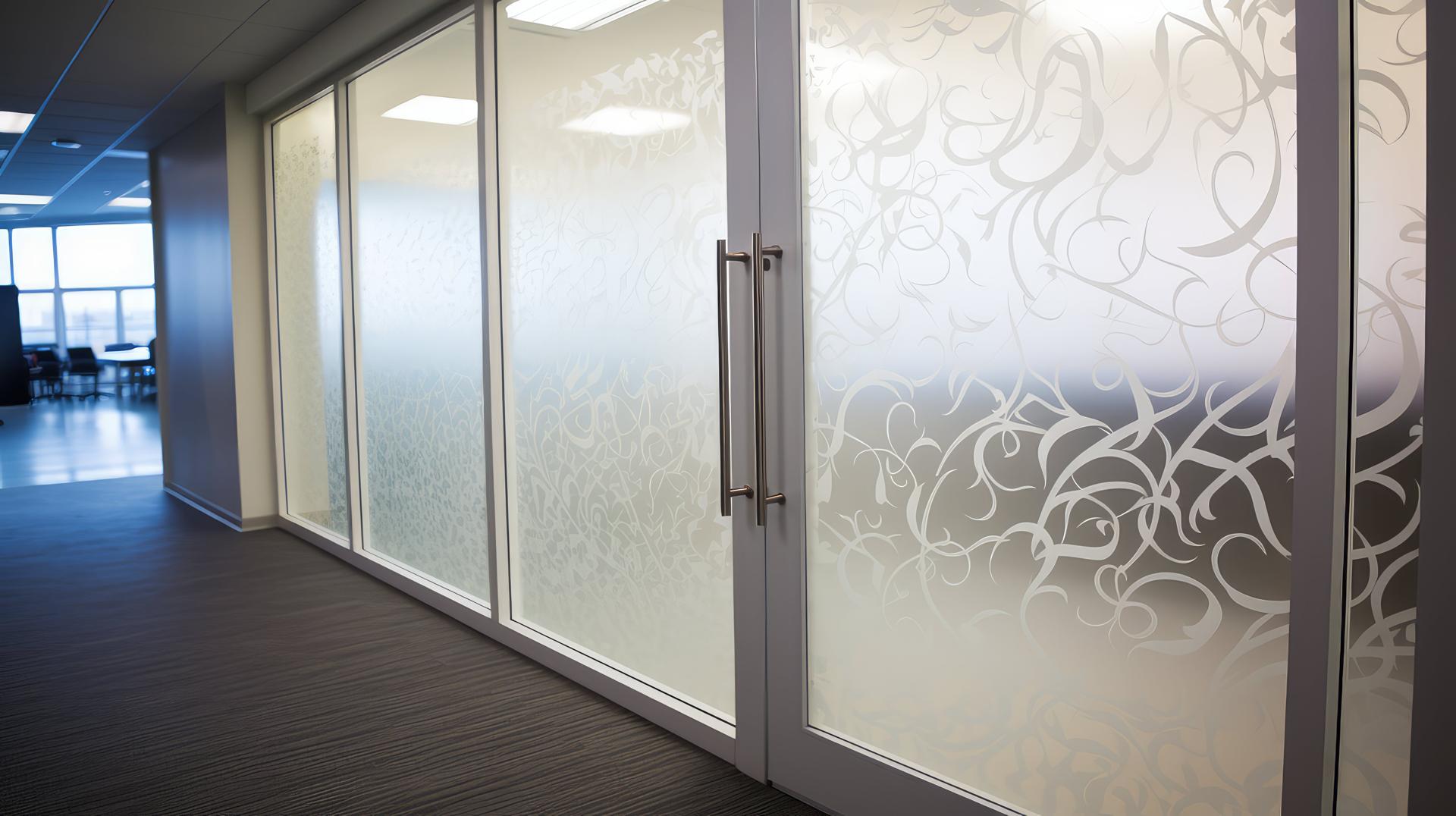
Decorative film is primarily about privacy + aesthetics: it obscures views, adds texture, and can mimic specialty glass (etched, reeded, rice paper, etc.) without replacing the pane. Depending on the product, it may also help with glare and UV, but privacy and design are usually the main goals.
For Boise homeowners planning a refresh, this makes decorative film a strong “in-between” solution: it’s more polished than curtains on an interior door, and far less disruptive than swapping glass or remodeling.
Popular decorative window film designs (and where they look best)
| Design style | Best for | Privacy level | Why Boise homeowners like it |
|---|---|---|---|
| Frosted / etched | Office doors, bathrooms, sidelights, interior partitions | High (diffuses shapes) | Keeps rooms bright while removing “direct line-of-sight” distractions |
| Reeded / fluted glass look | Modern interiors, glass pantry doors, home offices | Medium–High (directional blur) | Reads “architectural” and upscale without heavy patterning |
| Linear / geometric | Contemporary offices, interior glass walls | Medium (varies by coverage) | Adds structure and “finished” design—great for camera backgrounds |
| Gradient (top-down or center band) | Street-facing windows, conference rooms, office doors | Targeted (privacy where you need it) | Feels airy: privacy at eye level, light above |
| Rice paper / soft texture | Bathrooms, laundry rooms, older homes needing a softer look | High | Warms up bright light and reduces harsh contrast in winter |
Design tip for home offices: If your office has a glass door, a full frosted finish gives the most privacy for calls. If you want a more “designed” look (and still want the room to feel open), consider a gradient or a mid-door band that blocks sightlines while leaving a clear margin at the top for a brighter feel.
How to choose the right film for your space (a practical checklist)
1) Decide what “privacy” means for that room
Privacy can mean “no details visible,” “only blurred silhouettes,” or “just block the direct sightline from the hallway.” For home offices, most people want at least silhouette-level privacy during meetings.
2) Match the pattern scale to the room
Small patterns can look busy on large panes; large patterns can overwhelm narrow sidelights. In open-concept Boise homes, cleaner looks (frosted, reeded, linear) usually feel the most timeless.
3) Consider camera/background aesthetics
If you’re on Zoom/Teams often, decorative film can reduce distracting movement behind you. A subtle diffusion reads cleaner on camera than heavy patterning.
4) Think about longevity (and whether you’ll want to change it later)
Professionally installed, quality decorative films commonly last 5–10+ years, and many premium interior applications are often cited in the 10–15 year range with good care.
Step-by-step: what to expect from a professional decorative film install
Step 1: Confirm glass type + placement
Interior door glass, sidelights, and partitions usually allow the widest design options. Your installer checks visibility needs, edges, and any hardware constraints.
Step 2: Surface prep (this is where quality shows)
Professional prep removes fine debris and residue that can cause visible imperfections. Clean edges matter most on clear or lightly textured films.
Step 3: Precise layout + alignment
Patterns (especially reeded/fluted and linear designs) must be aligned so the “grain” looks intentional across adjacent panes.
Step 4: Drying/curing time
It’s normal to see moisture haze or small “water pockets” at first; many films settle as they dry. Some manufacturers note curing can take days and may take up to several weeks, depending on conditions.
Cleaning tips that help films look new longer
Use a soft cloth or microfiber and a gentle, film-safe cleaner. Many homeowners prefer ammonia-free glass cleaners—especially on specialty surfaces—to reduce the risk of discoloration or premature wear.
Did you know? Quick facts that make film choices easier
Decorative film can be targeted. You don’t have to cover the entire pane—bands and gradients can block only the sightlines that matter most.
Dry time varies. It’s common for films to look “not quite finished” at first; clarity improves as moisture evaporates and the film settles.
Longevity depends on care + exposure. Interior-installed films in stable conditions tend to last longer than films exposed to harsh sun and temperature swings.
A Boise-area angle: winter light, neighborhood spacing, and home office privacy
In Boise, Meridian, Eagle, and Nampa, many homes have open layouts with interior glass on office doors, pantries, and stair landings. During winter, homeowners often want more privacy while keeping as much daylight as possible.
Decorative films that diffuse (frosted, rice paper, reeded/fluted) are a smart match for this goal because they soften visibility without noticeably dimming the room. If you’re close to neighboring homes or have a direct line from entryway to office door glass, consider a higher-opacity frosted design or a gradient that blocks eye-level views.
Ready to plan your glass refresh?
Meridian Window Tint helps Boise-area homeowners choose decorative window film designs that look clean, modern, and purpose-built for privacy—especially for home offices and interior doors. If you’re cost-conscious, start with a quick pricing reality-check and measurement basics before you request an estimate.
FAQ: Decorative window film for Boise homes
Will decorative window film make my room darker?
Most frosted and textured decorative films are designed to diffuse light rather than heavily tint it. You typically keep a bright feel while reducing sharp visibility through the glass—ideal for Boise winter daylight.
How long does decorative window film last?
Lifespan varies by product and environment, but many sources cite ranges from roughly 5–10+ years for decorative films, with premium interior applications commonly referenced around 10–15 years when properly maintained.
Is it normal to see bubbles right after installation?
Yes—especially “water pockets” during the drying process. Many films settle as moisture evaporates; some manufacturers’ guidance notes that curing can take time, depending on conditions.
What’s the best decorative film choice for a home office glass door?
For maximum privacy, choose a full frosted/etched look. For a more architectural feel, reeded/fluted designs or a gradient can look upscale while still blocking sightlines.
How should I clean decorative window film?
Use a soft microfiber cloth and a gentle cleaner. Many homeowners choose ammonia-free options to be cautious on specialty surfaces and coatings.
Can I get a price estimate before scheduling?
Yes. Pricing typically depends on glass size, quantity, film type, and installation complexity. Start here for local guidance: residential window tinting cost factors in Boise.
Glossary (helpful terms when comparing designs)
Frosted / etched look
A diffusion finish that blurs visibility through glass while keeping light transmission high.
Reeded / fluted design
A vertical (or horizontal) ribbed pattern that mimics textured architectural glass and creates directional blur.
Gradient film
A film that transitions from more opaque to clearer areas, often used to block eye-level sightlines while keeping upper glass bright.
Curing / dry time
The period after installation when moisture evaporates and the film settles; minor haze or water pockets can be normal during this stage.
Meta description: Explore decorative window film designs for Boise homes—frosted, reeded, gradient, and more—for home office privacy without losing winter light. Meridian Window Tint: (208) 258-7260.