
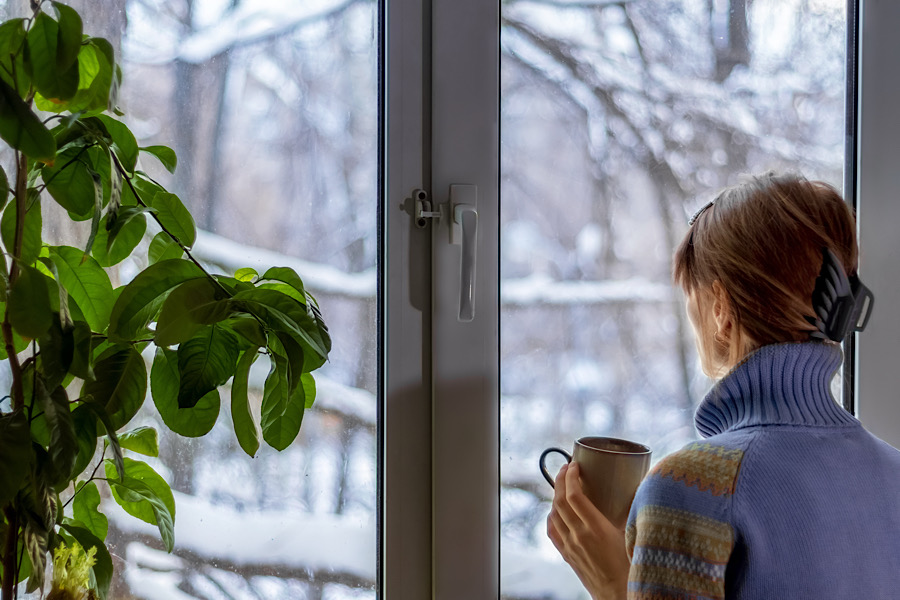
As fall gives way to freezing temperatures across the Treasure Valley, homeowners and business owners alike shift into winter-prep mode. From sealing doors to servicing HVAC systems, Idahoans know the importance of preparing for long, cold months. But there’s one key area that’s often overlooked on winter energy checklists: your windows.
In fact, untreated glass is one of the biggest culprits in heat loss and energy waste during winter. According to the U.S. Department of Energy, windows can account for up to 30% of heat loss in a building. For homes and offices in Boise, that means higher energy bills, colder rooms, and inconsistent comfort—all avoidable with the right upgrade.
This year, as you tick off your seasonal to-do list, don’t skip the windows. Adding insulating window film is a powerful, low-maintenance solution that improves comfort and efficiency, and keeps you warmer without raising your thermostat.
Why Winter Hits Boise Buildings Hard
Boise’s climate brings crisp, sunny days and subfreezing nights from November through February. While the sunshine is welcome, it doesn’t keep your indoor spaces warm if heat is slipping out through your glass.
Key factors that make windows vulnerable in winter:
- Glass is naturally conductive, allowing heat to escape even from insulated windows.
- Low-angle sunlight creates glare, even in cold weather.
- Large windows, especially in newer homes and open offices, lose significant radiant heat.
- Older buildings may have outdated or inefficient glass that underperforms in cold weather.
When warm indoor air meets a cold window surface, not only is energy lost—it often leads to condensation and cold spots that make your space feel drafty and uneven.
How Window Film Helps Winter-Proof Your Home or Business
You might already be using weather stripping, sealing cracks, or checking your insulation, but window film tackles the one area that most energy upgrades overlook: radiant heat loss through glass.
Insulating window film, including energy-focused films like those from 3M, adds an invisible thermal layer to your glass, reflecting indoor heat back inside and reducing energy waste.
Top benefits of winter window film:
- Helps retain up to 40% more indoor heat
- Reduces cold spots near large windows
- Blocks glare from low winter sun
- Cuts UV exposure that still fades interiors even in winter
- Supports HVAC systems, allowing them to work less while maintaining comfort
Plus, film is non-invasive, fast to install, and often more cost-effective than window replacement—making it one of the highest ROI winter upgrades available.
End-of-Year Energy Checklist for Boise Homes & Offices
Here’s a practical checklist to help you winter-proof your space—and where window film fits in:
For Homes:
- Seal window and door frames with caulk or weather stripping
- Reverse ceiling fans to push warm air down
- Change furnace filters and service heating system
- Insulate attic and crawl spaces if needed
- Add insulating window film to south- and west-facing glass
- Use draft stoppers on exterior doors
- Adjust thermostat schedules for winter efficiency
For Businesses:
- Inspect seals around commercial windows and doors
- Schedule HVAC maintenance and duct cleaning
- Insulate storefronts and curtain walls with solar or Low-E window film
- Improve lighting efficiency with motion sensors and LED upgrades
- Use window film to reduce heat loss and increase occupant comfort
- Check for cold zones in open-plan workspaces or lobby areas
When your building loses less heat through glass, you’re saving energy every hour of every day—whether it’s a home with rising utility bills or a commercial space trying to stabilize climate zones for employees and customers.
Why It’s Better to Install in Fall or Early Winter
While many people associate window film with summer cooling, the smartest installations happen before winter peaks. Here’s why:
- You’ll immediately benefit from heat retention and energy savings
- There’s less demand for installation services, meaning faster scheduling
- You’ll maximize comfort during the entire cold season
- It helps prepare your property for unpredictable winter storms
In fact, many customers who install window film in late fall report seeing a noticeable difference in warmth and indoor consistency within days of installation.
Not Sure Which Windows to Prioritize?
For the biggest impact, focus on:
- Large windows in living rooms, home offices, or conference rooms
- Glass doors or patio sliders that let out more heat than you think
- South and west facing glass exposed to direct sunlight and temperature swings
- Street-facing windows where privacy and insulation are both desired
A window film consultation can pinpoint energy loss areas and recommend the best film type based on glass age, exposure, and your building type.
Frequently Asked Questions
Can window film really make a difference in winter?
Yes. While known for blocking heat in summer, modern films also reflect radiant heat inward, helping reduce furnace use and improving thermal comfort.
Does it darken the room or block views?
Not at all. Most insulating films are virtually clear or lightly tinted. They enhance performance without affecting your visibility or natural light.
Is this only for older windows?
No. Even modern dual-pane windows benefit from added thermal film. It boosts performance without the cost or disruption of window replacement.
Will it help with glare from the low winter sun?
Absolutely. Film reduces glare by up to 80%, especially helpful for home offices or retail counters facing west.
Is window film permanent?
While built to last over a decade, window film can be safely removed or replaced in the future if needed, making it both flexible and durable.
A Smarter Way to Seal in Comfort
As Boise buildings prepare for months of cold and fluctuating sunlight, window film remains one of the most practical, overlooked, and effective winter upgrades available. It’s easy to install, long-lasting, and begins working from the moment it’s applied.
Whether you’re tightening up your home’s energy efficiency or creating a warmer, more balanced workspace for your team, window film plays a key role in your building’s winter readiness.
Seal in warmth and savings this winter with professional window film. Meridian Window Tint helps Boise homeowners and businesses improve comfort, reduce heat loss, and lower energy bills before the coldest months hit. Call (208) 258-7260 today to schedule your end-of-year consultation and make your space winter-ready.