
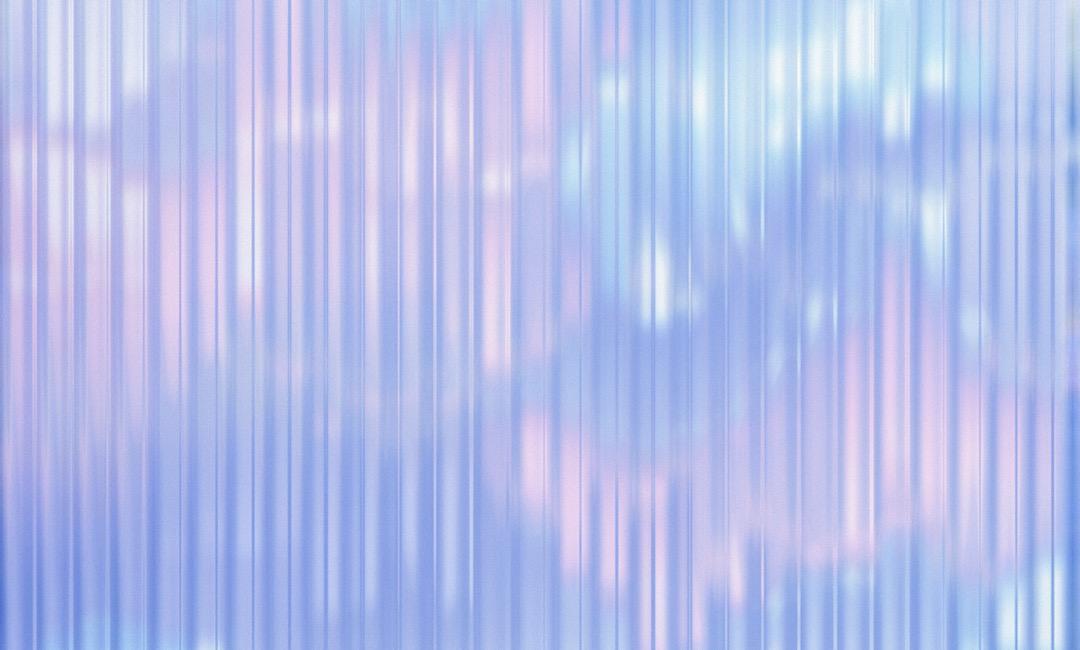
A designer upgrade Boise homeowners can finish in days—not weeks
Interior glass is having a moment: pantry doors, home offices, room dividers, and cabinet inserts are being used to open up sightlines while still defining spaces. If you love the texture of reeded (fluted) or etched glass but don’t want the cost, fabrication timeline, or commitment of replacing glass, decorative window film for interior glass can deliver a similar effect—installed on your existing glass with far less disruption.
Why reeded/fluted-glass-style film is trending for remodels
Reeded (also called fluted) glass creates vertical texture that diffuses views while still letting light travel through a space—perfect for bright kitchens and modern office nooks. The challenge is that true custom glass can require measuring, ordering, fabrication, and installation coordination (and it’s not always easy to match thickness, tempering requirements, or existing frames).
Decorative films designed to mimic textured glass patterns can be installed on existing interior glass—for example: French doors, pantry doors, sidelites, interior partitions, and cabinet glass. Many decorative films are specifically intended to diffuse light and add privacy while enhancing interior aesthetics.
What decorative interior glass film actually does
Think of decorative film as a precision-cut, optically consistent finish applied to glass. Depending on the pattern, it can:
• Diffuse harsh reflections and soften sightlines
• Add privacy without making the room feel closed-in
• Upgrade style to match new cabinetry, hardware, and paint
• Create a “custom glass” look using your current door or window glass
Common Boise-area applications we see in spring renovations
• Pantry doors (reveal shapes, hide clutter)
• Home office doors & interior partitions (privacy for calls)
• Bathroom transoms or interior glass (privacy while staying bright)
• Glass cabinet inserts (texture without swapping panels)
• Entry sidelites or interior French doors (style + soft privacy)
Choosing the right “reeded glass effect” (and avoiding disappointment)
Not all reeded/fluted looks are the same. Some films use a bold stripe meant to be read from across the room; others are subtle and designed to feel like “real” textured glass up close. Many are installed on the inside surface for interior applications, making them ideal for office partitions and living spaces where you want diffused light and a softened view.
If you’re considering 3M decorative finishes, options like 3M™ FASARA™ Glass Finishes are made to diffuse light, maintain a level of privacy, and come in many patterns and textures intended to replicate etched/textured glass aesthetics.
Pro design tip: Reeded/fluted patterns look best when the vertical lines align with other vertical elements in the room (cabinet stiles, door casing, shiplap, or tall uppers). On a pantry or office door, it can make the whole wall feel taller and more intentional.
Step-by-step: How to plan decorative window film for interior glass
1) Pick the purpose first (privacy, style, or both)
For a pantry door, you may want “soft blur” privacy. For a home office, you may want privacy at seated height while keeping the top clearer (a frosted band or gradient effect). Your goal determines the pattern density and how the film should be positioned.
2) Decide orientation and viewing distance
Reeded patterns typically run vertically. On sidelites or tall interior panels, vertical is usually the cleanest look. In tight hallways, a bold pattern can feel busy—subtle textures often read more “architectural.”
3) Confirm the glass type and any coatings
Interior glass is usually straightforward, but it’s still worth verifying if the glass is textured already, has existing film, or needs restoration. If you’re replacing old film, professional removal helps prevent adhesive residue and haze.
4) Plan for visual “cure time” and realistic expectations
Window film installation uses a solution to position the film, and some residual moisture can remain temporarily. That means appearance can improve as the film finishes adhering. Industry guidance describes a defined cure period that varies by film type, thickness, and conditions—so it’s normal for the film to “settle in” after installation rather than looking 100% final immediately.
5) Measure accurately (or schedule an on-site estimate)
Glass doors and interior partitions often have tight reveals and trim details. Measuring correctly matters for clean edges and pattern alignment—especially with stripes.
6) Choose pro installation for a “glass-like” finish
Decorative films look best when edges are crisp, pattern lines are straight, and the surface is cleaned and prepared correctly. The IWFA outlines how architectural window film installation is performed and what to expect from the process.
Decorative film vs. custom etched/reeded glass: a practical comparison
| Factor | Decorative Window Film | Custom Etched/Reeded Glass |
|---|---|---|
| Timeline | Often scheduled and completed quickly once film is selected | Depends on fabrication, ordering, and install coordination |
| Design flexibility | Wide range of patterns; easier to change later | Beautiful and permanent; changes require new glass |
| Disruption | Minimal (no glass removal in many cases) | May require removing panels, hardware, or trim |
| Budget (general) | Commonly priced per sq ft installed (varies by film/pattern) | Material + fabrication + installation; varies widely by glass type |
| Reversibility | Removable with professional methods | Not reversible without replacement |
If you’re budgeting a remodel, it helps to start with local ranges and then narrow based on glass size, number of panes, and pattern complexity.
Boise, Idaho remodel angle: light control without losing the bright, open feel
Boise-area homes often lean into natural light—especially in kitchens, great rooms, and office corners. Decorative films are a smart “middle ground” when you want to keep that brightness but soften what’s visible through interior glass. For spring renovation season, it’s also a practical way to get a finished, high-end look before guests arrive or before you list a home.
Meridian Window Tint installs decorative and privacy window films across Boise, Meridian, Eagle, Nampa, and surrounding areas—following IWFA standards for visual quality and installation expectations.
CTA: Get a sample-driven recommendation for your interior glass
If you’re deciding between reeded/fluted, frosted, gradient, or patterned looks, a quick walkthrough of the glass and lighting helps you avoid choosing a pattern that feels too bold—or not private enough.
FAQ: Decorative window film for interior glass
Does decorative film look “real,” or does it look like a sticker?
Quality decorative films are designed to mimic etched and textured glass effects with consistent patterning and clean edges. The biggest difference-maker is professional surface prep and alignment, especially for reeded/fluted stripe patterns.
Will I still get natural light in my kitchen or office?
Most frosted and reeded-style films are intended to diffuse light rather than block it, so spaces typically stay bright while the view becomes softened.
How private is a reeded (fluted) glass effect film?
Reeded-style patterns usually provide “blur privacy”—nearby shapes may still be visible, but details are obscured more as distance increases. If you need stronger privacy (like for a bathroom door), a denser frost or opaque decorative option may be a better fit.
What should I expect right after installation?
It’s normal for film to have a short visual “settling” period as moisture and solution fully dissipate and adhesion completes. Cure time varies by film and conditions, and visual quality is typically judged with those standards in mind.
Can you install decorative film on commercial interior glass too?
Yes—conference rooms, lobbies, and glass partitions are some of the most common commercial applications for decorative and privacy films.
What if my glass already has old film on it?
Old film can be removed safely, and the glass can be restored for a clean new installation—important for clarity and long-term adhesion.
Glossary
Decorative window film: A patterned film applied to glass to change its appearance, diffuse light, and/or add privacy—often used on interior glass doors and partitions.
Reeded (fluted) glass effect: A vertical textured look that blurs details while keeping spaces bright; often mimicked by striped or embossed decorative films.
Frosted/etched look: A translucent finish that softens views through glass while allowing light transmission.
Cure time: The period after installation when residual moisture evaporates and adhesion completes; appearance can improve as curing finishes.
IWFA standards: Industry guidance related to window film installation expectations, processes, and visual quality considerations.