
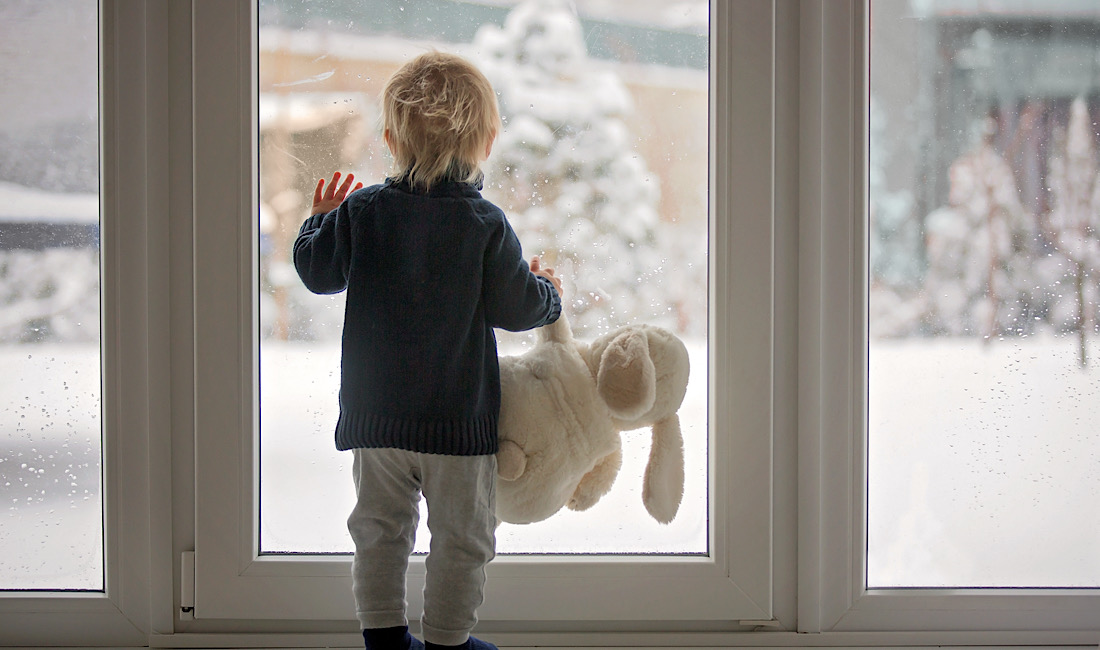
When most people in Boise think about window film, they picture scorching summer days, glaring sun, and the battle to keep indoor temperatures cool. But what many Idaho homeowners and business owners don’t realize is that window film is just as effective—if not more so—during the winter months.
In fact, high-performance winter window film is one of the most underrated energy-saving upgrades available in colder climates like Idaho’s. While it’s known for blocking heat in summer, the right film also helps retain indoor warmth, improve comfort, and manage light levels when the days are shorter and the sun sits lower in the sky.
At Meridian Window Tint, we install window film year-round—and winter installations come with unique benefits. From heat retention to UV protection and better control of Boise’s low-angle winter sun, let’s explore why this upgrade deserves more attention during the coldest months of the year.
Boise Winters: Clear Skies, Cold Temperatures
Boise winters are marked by cold temperatures and a surprising amount of sunshine. Unlike the overcast skies found in many northern climates, Boise averages over 100 sunny days between November and March. These bright days combined with frigid outdoor air create ideal conditions for solar gain and energy loss through untreated glass.
Key Boise winter conditions that impact your home or office:
- Daytime highs often range between the mid-30s and low 40s
- Nights frequently drop below freezing
- Sunlight enters more directly due to the sun’s low position in the sky
- South and west facing windows receive intense light and radiant heat loss
If your windows aren’t treated, your heating system works harder, your indoor temperatures fluctuate, and your flooring and furnishings are vulnerable to fading—yes, even in winter.
What Makes Winter Window Film Different?
Unlike traditional solar films designed solely to block heat, modern winter-optimized window films—like the 3M Prestige Series—are engineered for year-round performance. These films utilize advanced nanotechnology and multilayer construction to adapt to both hot and cold seasons without compromising visibility.
How winter window films perform:
- Reflect indoor heat back into the space, reducing furnace use
- Block cold drafts and radiant heat loss through the glass
- Manage glare caused by low winter sun angles
- Allow natural daylight in, reducing reliance on artificial lighting
- Protect against UV rays, which are still present even on cold, sunny days
These benefits aren’t theoretical. Studies by the U.S. Department of Energy show that heat loss through windows accounts for up to 30% of total heating energy use in homes. Window film adds an insulating layer that can make your home feel warmer and operate more efficiently.
Energy Efficiency That Works Year-Round
While most people associate insulation with walls, ceilings, and floors, windows are often the weakest thermal point in a building. Even with double-pane glass, heat transfer still occurs. Adding window film to your energy strategy increases performance without changing the look or structure of your glass.
Benefits of winter window film as an energy upgrade:
- Reduces energy loss through glass by reflecting interior heat
- Helps balance room temperatures—especially in large or open-concept homes
- Works alongside HVAC systems to improve efficiency
- Lowers utility bills during Idaho’s peak heating months
When paired with other energy upgrades like smart thermostats, efficient furnaces, and proper insulation, window film becomes a key part of a whole-home energy solution.
Better Daylight, Less Glare
Winter days are shorter, and maximizing natural light is more important than ever. But with the sun sitting low on the horizon, glare often becomes a problem—especially for homeowners working remotely or spending more time indoors.
Window film helps:
- Filter harsh light while still allowing daylight to illuminate your space
- Improve screen visibility in home offices or media rooms
- Reduce eye strain and improve indoor comfort
- Maintain views without the need to close blinds or shades
Many Boise area residents experience glare bouncing off snow or polished floors in winter—especially in rooms with large windows. Window film manages this light intelligently, improving comfort and functionality throughout the home or office.
Indoor Comfort Isn’t Just About Temperature
Comfort during winter isn’t only about staying warm—it’s about creating a space where light, heat, and visibility are all balanced. Uncontrolled winter sun can lead to uneven heating, visual discomfort, and faded interiors. With the right window film, you can maintain a space that feels bright, inviting, and temperature-consistent.
Additional comfort benefits:
- Helps reduce condensation and cold glass surfaces
- Provides daytime privacy in densely built neighborhoods
- Maintains natural lighting while reducing the need for window treatments
- Enhances both residential and commercial environments without compromising design
From modern open-concept homes in the Boise Bench to glass-heavy office buildings downtown, winter window film upgrades comfort in subtle but powerful ways.
Is It Too Cold to Install Film in Winter?
One of the most common misconceptions is that window film can’t be installed in cold weather. That’s simply not true.
With professional tools, temperature-controlled adhesive solutions, and climate-aware installers, winter is a perfectly safe and effective time for film installation.
Why winter installs work:
- Adhesives used in modern film products are designed to cure even in cooler conditions
- Indoor application is minimally affected by outdoor temperatures
- Homes are typically heated during the install process, supporting proper adhesion
At Meridian Window Tint, we install window film year-round across Boise, Meridian, Eagle, and surrounding areas. Our team is trained to assess conditions and use film appropriate for the climate and glass type.
Frequently Asked Questions
Does winter window film look different from summer film?
No. Many of today’s films—especially the 3M Prestige Series—are optically clear or lightly tinted and perform in all seasons. You’ll notice the benefits, not the film.
Will it help with my heating bills?
Yes. Winter-optimized films reflect interior heat back into the space, which means your HVAC system runs less frequently. Over time, this translates into measurable energy savings.
Will it block natural light in winter?
Not at all. High-quality films allow in visible light while controlling glare and UV rays. Your home will still feel bright and open.
Can it protect my flooring and furniture in the winter?
Absolutely. UV rays are present year-round—even in winter. Window film blocks up to 99% of UV light, preserving interior materials and finishes from fading.
Is it worth adding film to newer windows?
Yes. Even with energy-efficient windows, glass is still a thermal weak point. Film adds a layer of insulation and solar control that enhances performance without replacing the window.
What types of properties benefit from winter window film?
Virtually any property with exposed glass. This includes:
- Single-family homes with large windows or high ceilings
- Home offices and remote workspaces
- Commercial buildings with open glass walls or storefronts
- Multi-family units and apartments with direct sun exposure
Why Now is the Smart Time to Upgrade
Homeowners often delay energy upgrades until spring—but winter is the season when the right improvements make the most immediate difference. If your windows feel cold, your rooms are unevenly heated, or glare is making your home less enjoyable, don’t wait for summer to take action.
Winter window film is the quiet upgrade that works 24/7, delivering benefits you can feel from the moment it’s installed.
Don’t let Idaho’s winter sun steal your warmth or comfort. Stay cozy, save energy, and protect your interiors with professional window film—installed right when you need it most. Call Meridian Window Tint today at (208) 258-7260 to schedule your winter consultation and start saving energy this season.